
For insurers, this volatility is no longer a distant economic concern. It is reshaping risk pools, warping customer behavior, inflating claims costs, and unsettling long-held assumptions about growth and stability.
inflation could rise 0.8% to 2.8%, the pressure inevitably trickles down. American households may feel it most sharply, facing nearly $4,900 in additional annual costs.
And yet within all this instability there is an opening. The insurers that invest in resilience today are not merely insulating themselves against shocks. They are quietly positioning themselves to outperform tomorrow.
Turning Resilience Into Competitive Advantage
Resilience is often misunderstood as endurance holding your breath and waiting for the storm to pass. In reality, true resilience is kinetic. It turns disruption into forward motion.
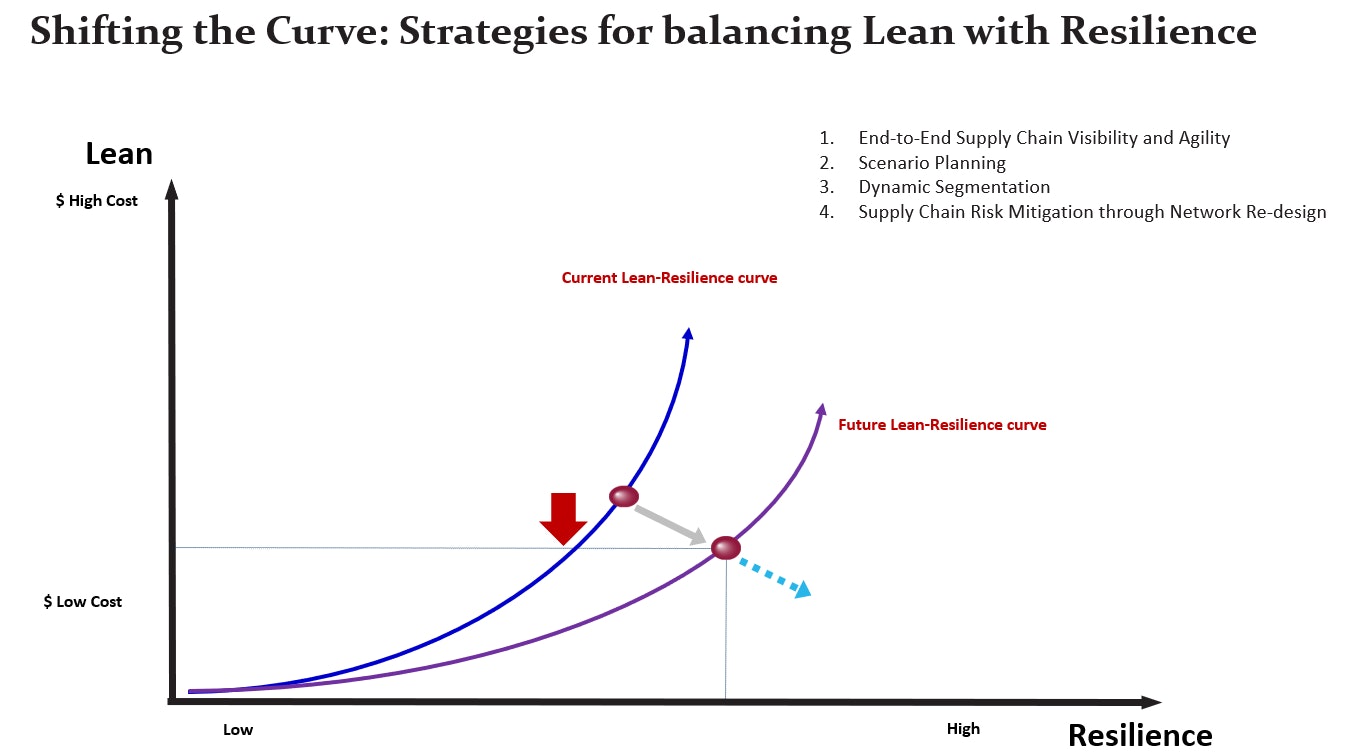
History shows that companies built for resilience frequently emerge from turbulent periods with stronger margins, faster growth, and deeper customer loyalty than their peers. For insurers, that strength must be built deliberately across four interconnected pillars: operations, commercial strategy, technology, and people.
1. Operational Resilience: Building Flexibility Into the Machine
Operating models designed for calmer times are creaking under today’s pressures. Rising costs, shifting risks, and digitally savvy customers demand a rethink.
Invest in future-ready technology. When automation, AI, and advanced analytics are paired with human judgment not used to replace it insurers can unlock efficiency while improving customer experience.
Strengthen supply chains. Diversifying sourcing strategies, procurement partners, and operational networks reduces exposure to sudden trade disruptions or regional bottlenecks.
Rethink productivity at a structural level. Cost discipline matters, but so does smart spending. Global Capability Centers (GCCs) can deliver specialized expertise at scale, while embedded insurance models integrated into travel platforms or e-commerce journeys place coverage exactly where customers already are.
Operational resilience isn’t about trimming muscle. It’s about building flexibility into the bones of the organization.
2. Commercial Resilience: Rethinking Growth in Uncertain Times
In a volatile market, pricing and customer engagement cannot remain static. Commercial resilience requires sharper judgment and a willingness to move beyond blunt, one-size-fits-all strategies.
This means:
Making intentional decisions about which cost increases to absorb and which to pass on without eroding trust.
Remaining alert to M&A and expansion opportunities, even when markets slow and competitors hesitate.
Designing behavior-based, personalized offerings that reflect how people actually live, spend, and manage risk today.
When done well, commercial resilience doesn’t just protect revenue—it deepens relationships and opens new pathways for growth.
3. Technology Resilience: Guardrails and Growth Engines
Technology is both the sharpest tool in the insurer’s kit and its most exposed flank. Advanced analytics and AI can surface insights once buried in noise, but geopolitical instability and cyber threats are escalating fast.
To build technology resilience, insurers must:
Elevate cybersecurity with robust protections for sensitive data and mission-critical systems.
Deploy AI with purpose, accelerating underwriting, streamlining claims, and flagging emerging risks before they metastasize.
Strengthen the digital core through clean, reliable data ecosystems and resilient cloud infrastructure.
The goal isn’t simply defense. It’s to create insurance experiences that feel faster, smarter, and quietly dependable especially when customers need them most.
4. Human Resilience: The Quiet Force Multiplier
Even the most advanced systems falter without the right people behind them. With an aging workforce and fierce competition for digital talent, insurers face a defining human challenge.
Resilient organizations:
Reframe the employee value proposition, emphasizing insurance’s deeper purpose: protecting lives, livelihoods, and futures.
Offer clear career pathways and continuous learning, ensuring employees grow alongside the business.
Use AI to augment human capability, relieving teams of repetitive work so underwriters, actuaries, and claims professionals can focus on judgment-heavy, high-value decisions.
Human resilience isn’t about asking teams to do more with less. It’s about equipping them to do what matters most well.
Why the Resilient Will Shape the Future of Insurance
Resilience does more than cushion impact. It creates momentum.
Trade dynamics will continue to shift. Policies will change. Market shocks will arrive unannounced. But insurers that weave resilience into strategy, operations, technology, and talent will not simply keep pace they will quietly set it.
In an era defined by uncertainty, adaptability is no longer a defensive posture. It is the most sustainable growth strategy insurers have.


