The Chief Customer Officer at Cambridge Mobile Telematics, David Morse, joins Abbey Compton and me in this week’s Insurance News Analysis. Together, we explore how telematics data is subtly changing the insurance value chain from top to bottom, going beyond simply lowering premiums.
From a Pricing Lever to a Tool for Strategic Power

Historically, telematics—think plug-in devices, smartphone tracking apps, and black boxes—has mostly been utilized to provide behavior- or usage-based discounts. Drive carefully? Reduce your driving? Receive a prize.
However, that is just the start.
Insurers today are using this wealth of data for far more strategic objectives. We are discussing near-instantaneous accident detection, precision-level risk assessment, quicker and more precise claims processing, and even policyholder post-accident coaching. Everything from underwriting to customer service is changing as a result of the capacity to depict events in real time while driving.
Reimagined Renewal
Behavior-based incentives have traditionally been used as a front-door strategy, such as providing a discount to entice new clients. However, a change is about to occur. At renewal, insurers are starting to rely more on telematics, employing ongoing driving data to either reward good conduct over time or step in when risks start to increase.
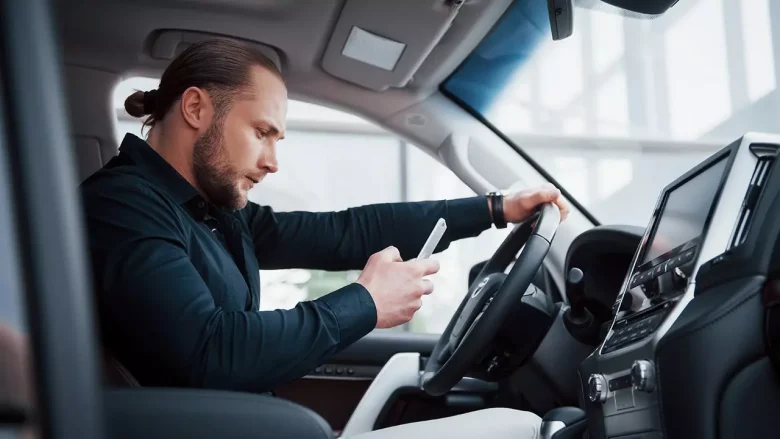
It is a step in the direction of something more dynamic, individualized, and possibly fair. Why should someone who texts while driving receive the same penalty as someone who doesn’t?
In addition to helping insurers set more realistic prices, this real-time interaction allows clients to develop a closer bond with their own risk. Policyholders drive differently when they are aware of how their behaviors impact their coverage. That is the application of behavioral economics.
Is Telematics a Tool for Public Health?

David Morse is correct when he refers to distracted driving as “an epidemic in itself.” The figures are dismal.
They can use telematics. Insurance firms are beginning to make a significant impact on driving behavior by identifying unsafe behavior, offering gentle prods, or even gamifying safer driving practices. The public interest is at stake here, not merely risk reduction.
To be honest, there is a peculiarly poetic quality to the fact that the same data that insurers use to create insurance also aids in preventing the very catastrophes that those policies cover.
The Path Ahead
Telematics is no longer a fancy technology. It is fundamental. From a sidecar feature to a key component of contemporary insurance, it is changing. In addition to lower premiums, there are other benefits as well, including improved underwriting, quicker claims processing, safer roads, and more involved policyholders.
Naturally, privacy issues need to be addressed, and maintaining public confidence will need openness. However, telematics has the potential to change insurance from something that people accept to something that they actively seek out.
It is not a question of whether this change will occur. It has already started. The true query is: given the data at their disposal, how far are insurers willing to go?


